
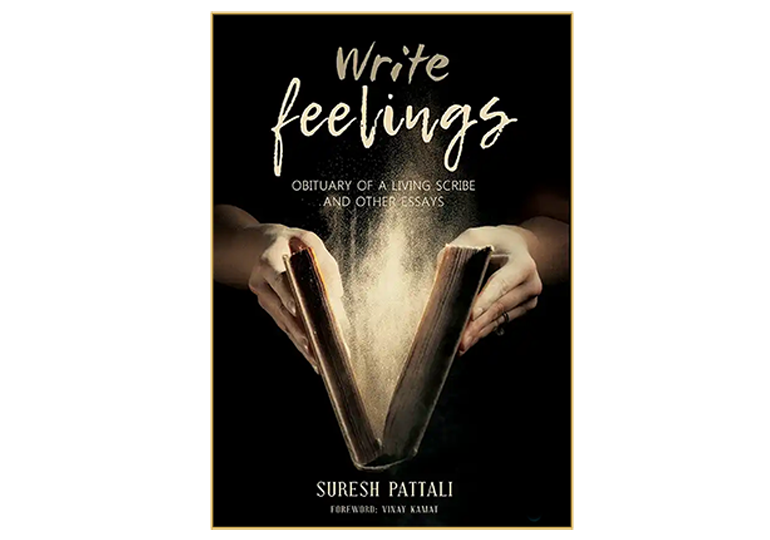
News today is sensational, fast and often fake — attributes I have been taught and trained to avoid. But there is a fourth attribute to news that journalists don’t wear on their sleeves. It defies all stereotypical notions associated with the profession. Emotion, it is. Newsmen are reckoned to be detached and untouched. Almost Zen-like. They are the ones who can cover a gruesome tragedy and then head straight out to have a hearty meal. On many levels, the intrepid journalist is not much different from a beat cop: Both encounter the worst of mankind. Both are exposed to the scum of the world.
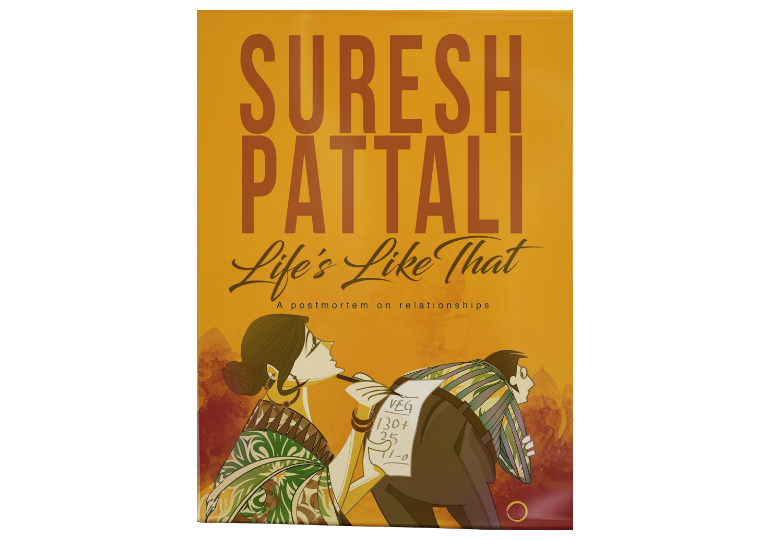
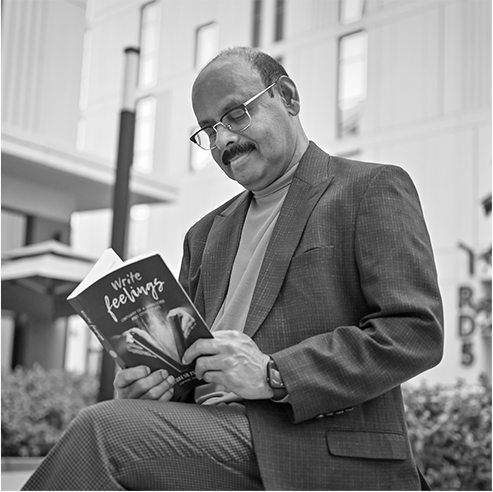
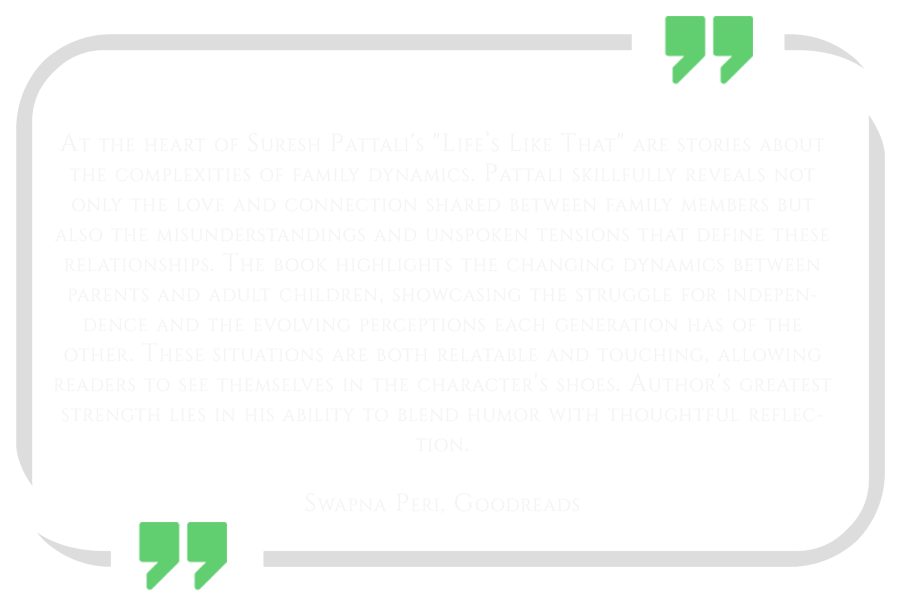
While Write Feelings was a journey to catharsis, a liberation from the mundane, Life’s Like That, my second real-life anthology, is more nuanced Like a boat gently rowing down the stream, akin to the nursery rhyme reminding one that life is but a dream, I am less hurried. It is not out of frustration or the self-resignation that nothing changes. Here, I take a step back to watch life from a perspective that few have time to pursue — and lend it wings with the hope that the thoughts will nest in the hearts of kindred souls.
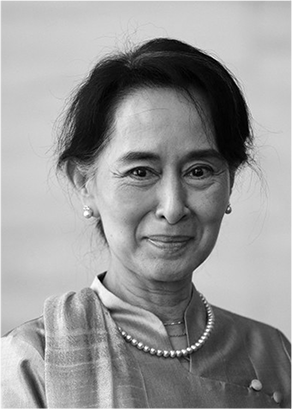
It was unthinkable. The wildest dream ever. To talk to Aung San Suu Kyi, the Myanmar democracy icon and 1991 Nobel Peace Prize laureate, a few days after she was released from15 years of incarceration, was next to impossible in 2010. Calling Myanmar was like dialling a distant planet.
“Are you crazy? BBC and CNN guys are still stuck in Bangkok trying to get a visa. And you want to talk to Daw on the phone?” retorted a Myanmar opposition leader living in exile in Thailand.
I replied with an affirmative YES. “Do you know she has no cell phone and the army hasn’t allowed her a landline?”
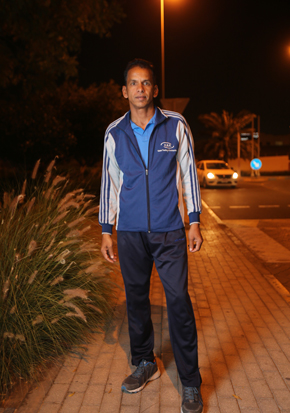
When I flagged down a cab in the mad morning rush to keep a medical appointment in Sharjah some time in 2018, little did I know it would be a pleasant detour to a once-in-a-life-time breaking story. My jaw dropped in disbelief as a casual conversation revealed my 10-minute cheffeure is a forgotten hero, Sri Lanka’s middle-distance runner with international gold and silver medals under his belt.
The story of Lalith Prasanna Galappaththi reeks of the neglect and indifference that retired heroes typically face in the cruel world of sports in the subcontinent. He is a decorated athlete who brought laurels to the island nation and is still running the marathon of his life, struggling to make ends meet.
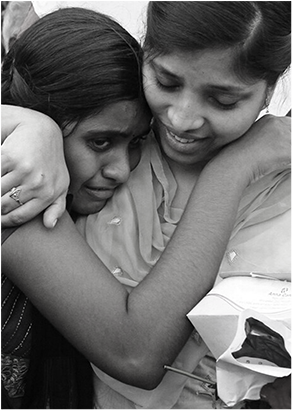
This was a journey I undertook without the pretensions of a scribe. On one side are your ethics, and your hunger to milk the source to the last tiny drop of information. When international journalists and TV networks were groping in the dark, I managed to break through terror barricades and lay a “hotline” to a key source among the 46 Indian nurses held captive in 2014 b Islamic State militants, the world’s most brutal terrorists, at the Tikrit Teaching Hospital in Iraq.
It was a painful dilemma for a reporter who calls people trapped in a war zone. When the Indian ministry of external affairs parroted to the Press in New Delhi that the nurses were safe, I brought out the plight of the shell-shocked victims day-by-day. My reports were the barometer of the captives’ emotions and requirements.